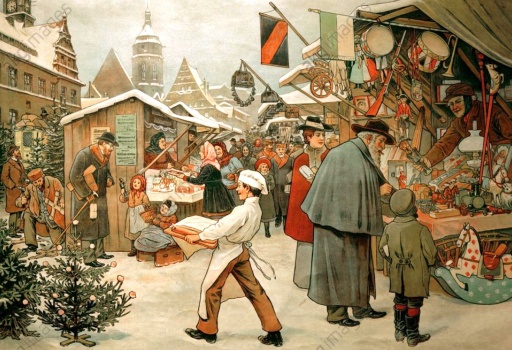
Germany: 14th Century Period
The history of Christmas Stollen dates back to medieval Germany, where it originated as a simple, fasting bread. First recorded in the early 14th century, Stollen was initially made with only flour, water, and yeast, as the Catholic Church forbade the use of butter, milk, and eggs during Advent. As a result, early Stollen was plain and dense, far from the rich festive bread known today. It was traditionally baked for Christmas as a symbolic food, representing humility and religious devotion.
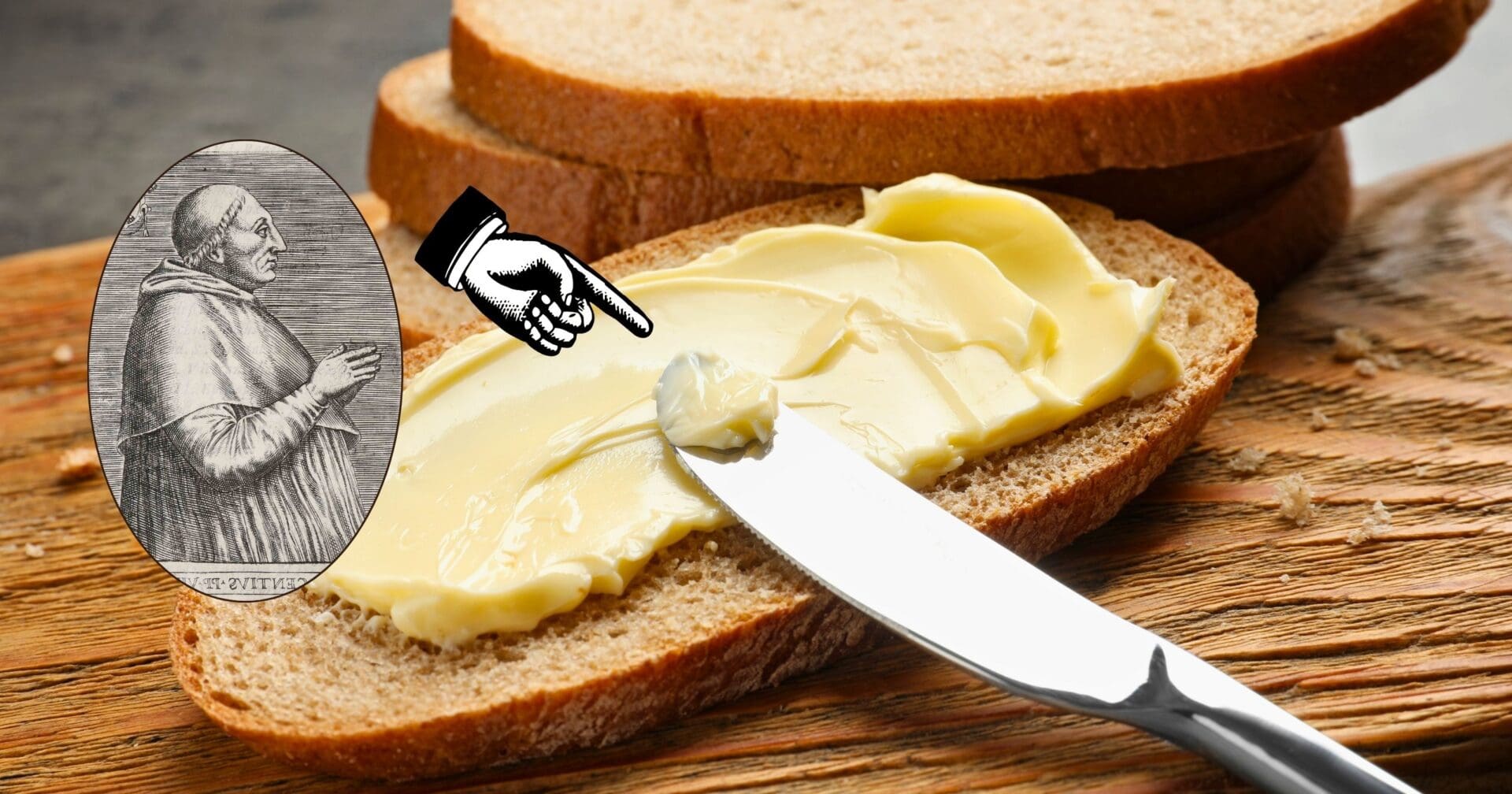
Germany: 15th Century Period
A major turning point came in the late 15th century with the famous “Butter Letter” (Butterbrief). After repeated requests from Saxony’s rulers, Pope Innocent VIII granted permission for butter to be used in Stollen transforming its texture and flavour. Bakers began enriching the dough with butter, dried fruits, nuts, and spices, reflecting prosperity and celebration. The loaf’s shape was intentionally kept long and folded, symbolising the swaddled Christ Child, reinforcing its deep connection to Christmas traditions.
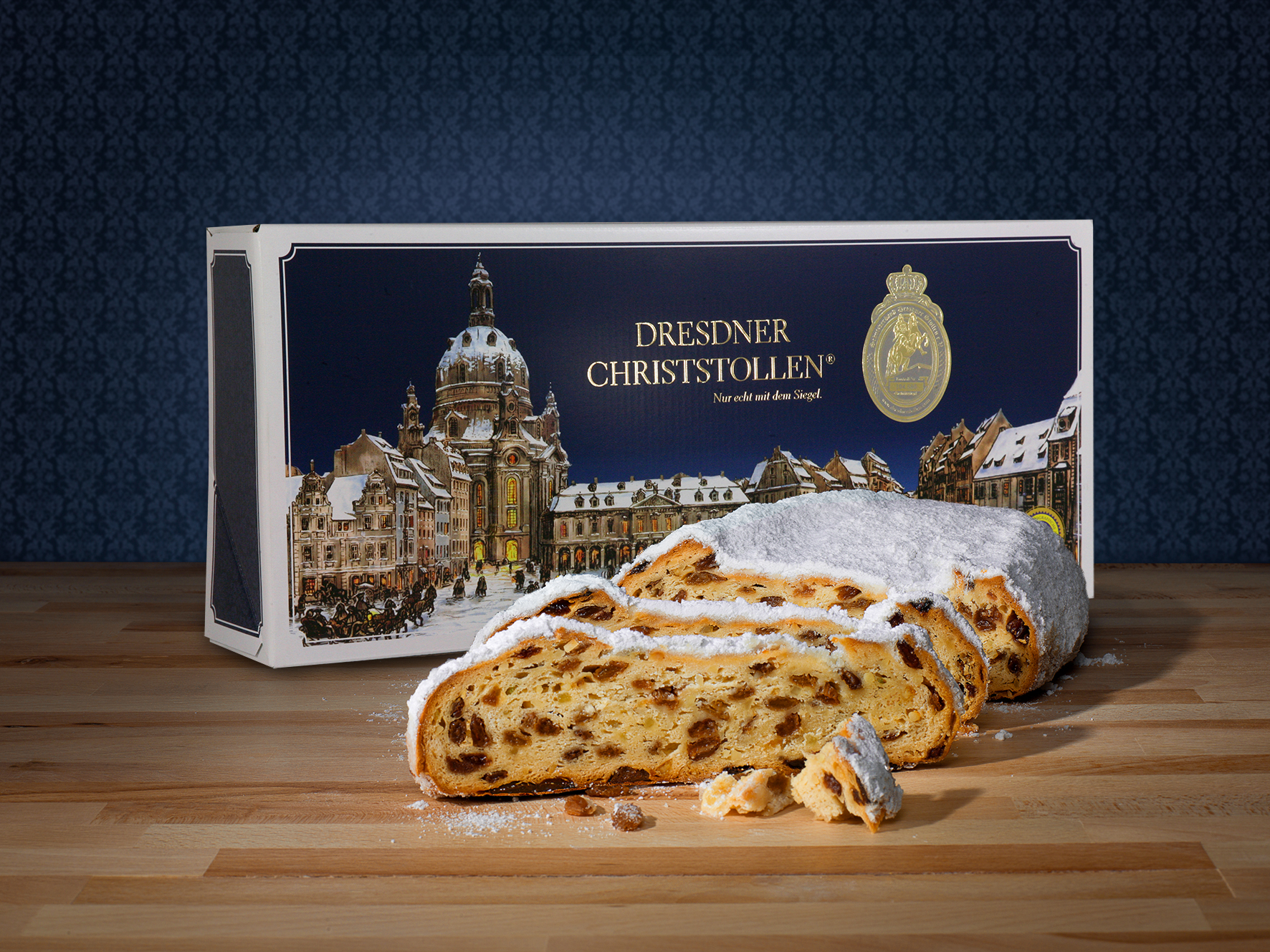
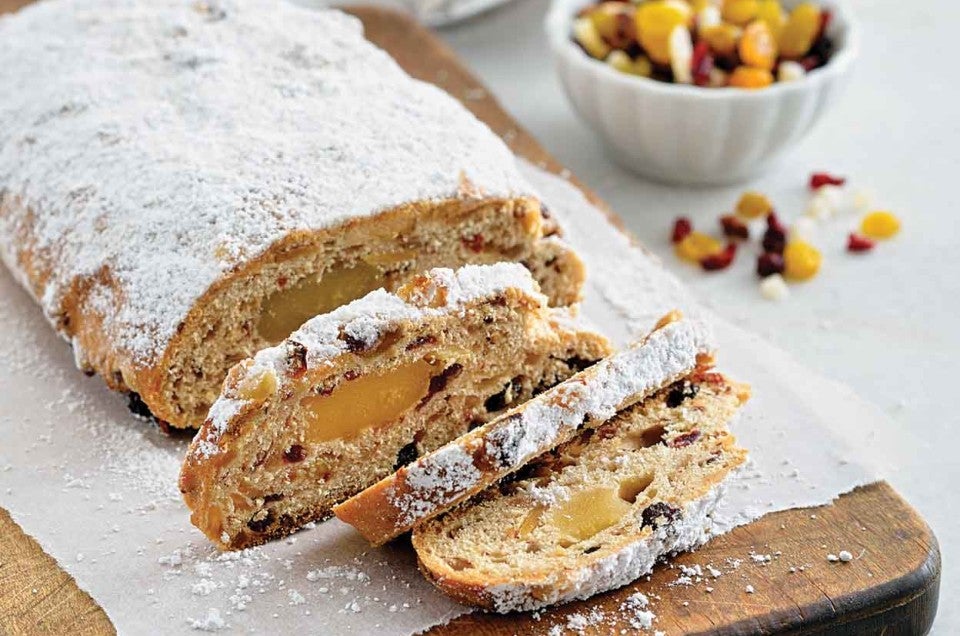

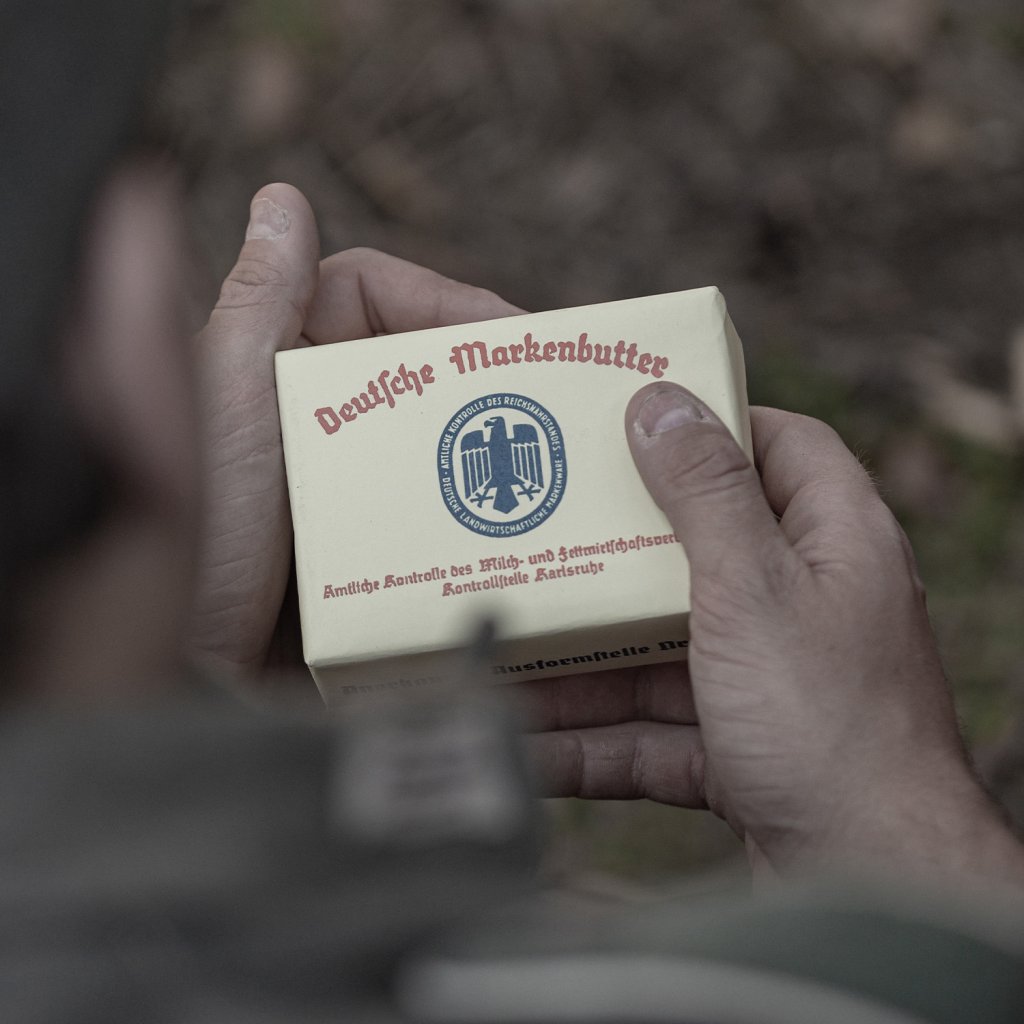
Butter (German Butter / Saxon Butter Tradition)
Butter is the soul of authentic Dresden Christmas Stollen, responsible for its rich aroma, moist crumb, and long keeping quality.
-Traditional Dresdner Christstollen mandates a high butter-to-flour ratio, with butter outweighing sugar, reinforcing richness without excessive sweetness.
-Many Stollen bakeries still rely on German dairy cooperatives such as Sachsenmilch or MEGGLE Butter, known for high butterfat and clean flavour.
-Why it’s uniquely German: Unlike Southern European Christmas breads that rely on eggs or olive oil, German baking culture prioritises butter for structure and depth.
Raisins (Turkish Sultanas – Premium Grade)
-Role in Dresden Stollen: Raisins form the bulk of the fruit content, giving sweetness, chew, and moisture. In Dresden Stollen, raisins are often pre-soaked in rum or butter, not alcohol-heavy but aromatic.
-Brand & Sourcing Tradition: Authentic Stollen commonly uses Turkish Sultana raisins, prized for their soft skin and honeyed sweetness. Brands such as Rapunzel Bio and Seeberger are widely trusted in German artisanal baking.
-Why it’s uniquely German: Compared to British Christmas cake (mixed fruits, peel, cherries), German Stollen focuses on one dominant fruit for balance and clarity of flavour.
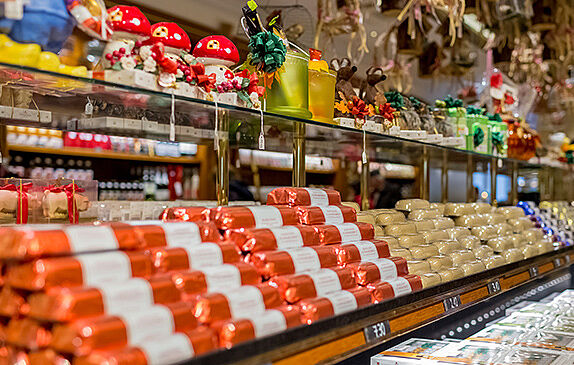
Marzipan (Lübeck Marzipan – Protected Origin)
Marzipan Stollen (Marzipanstollen) contains a rich almond paste core, adding nuttiness and luxury.
It contrasts with the buttery dough and powdered sugar coating.
-Brand & Heritage: High-quality Dresden Stollen traditionally uses Lübeck Marzipan, protected under EU PGI status. Niederegger Lübeck is the most iconic brand, known for its high almond content and minimal sugar.
-Why it’s culturally German: Almond-based confections are deeply rooted in German Hanseatic trade history, unlike France or Italy where nuts play a lesser role in Christmas breads.

Showing 1–4 of 6 results
-
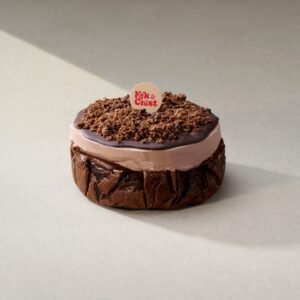
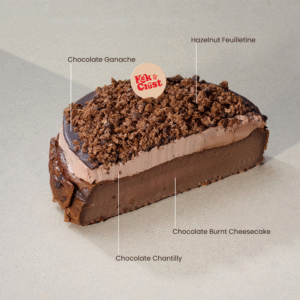
Chocolate Burnt Cheesecake
Price range: RM99.90 through RM148.80 -
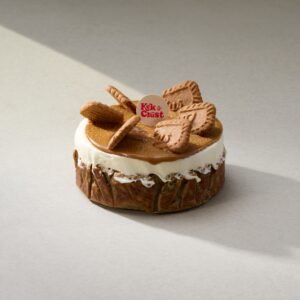
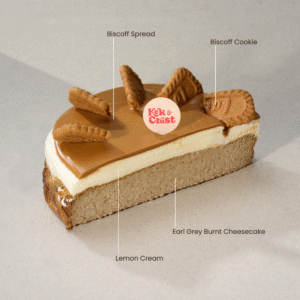
Earl Grey Burnt Cheesecake
Price range: RM99.90 through RM148.80 -
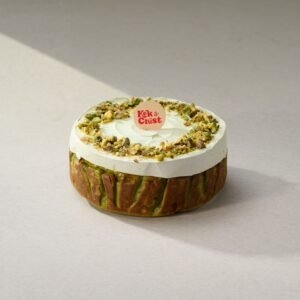
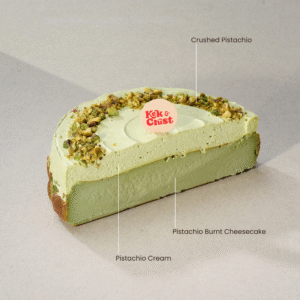
Pistachio Burnt Cheesecake
Price range: RM125.90 through RM188.80 -
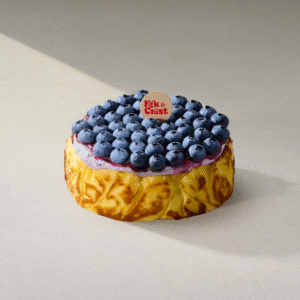
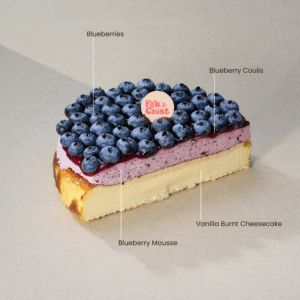
Signature Blueberry Burnt Cheesecake
Price range: RM99.90 through RM148.80
Showing all 5 results
-
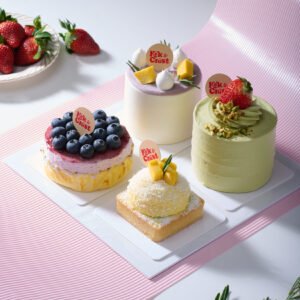
4-in-1 Petite Mix Cake Box
Original price was: RM75.60.RM71.82Current price is: RM71.82. -
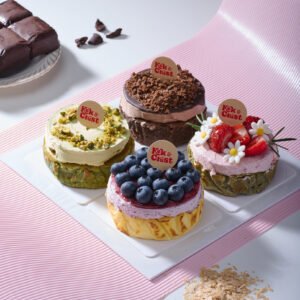
4-in-1 Petite Burnt Cheesecake Box
Original price was: RM139.60.RM132.62Current price is: RM132.62. -
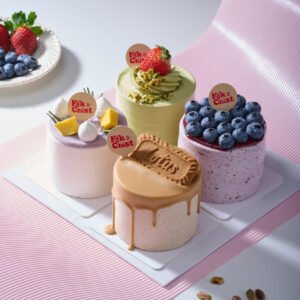
4-in-1 Petite Chiffoncake Box
Original price was: RM91.60.RM87.02Current price is: RM87.02. -
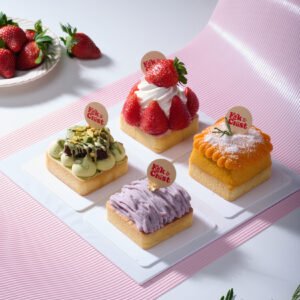
4-in-1 Petite Tart Box
Original price was: RM75.60.RM71.82Current price is: RM71.82. -

Wholesale Mix Match Petite Cake
From: Original price was: RM189.00.RM170.10Current price is: RM170.10.