
Ancient Rome Period
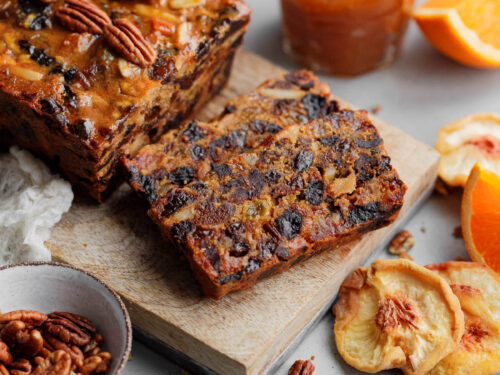
The story of the Christmas Fruit Cake stretches back thousands of years, long before it became a festive centrepiece on holiday tables. Its earliest ancestor can be traced to ancient Rome, where a dense, nourishing mixture of barley mash, pomegranate seeds, nuts, and raisins was prepared as an energy-rich food for soldiers and travellers. This early form was practical rather than celebratory, but it laid the foundation for what would eventually evolve into the fruit-laden cake we associate with Christmas today.

Europe Middle Ages Period
During the Middle Ages, the recipe began to take on a more recognisable form. Dried fruits such as currants, raisins, and candied peel became more widely used in European baking, often combined with honey, spices, and breadcrumbs or flour. These ingredients were expensive and symbolic of prosperity, making fruit cakes suitable for religious feasts and special occasions. Over time, the cake became closely linked to Christmas, a season associated with abundance, celebration, and the use of preserved ingredients to last through winter.

England: Victorian ERA Period
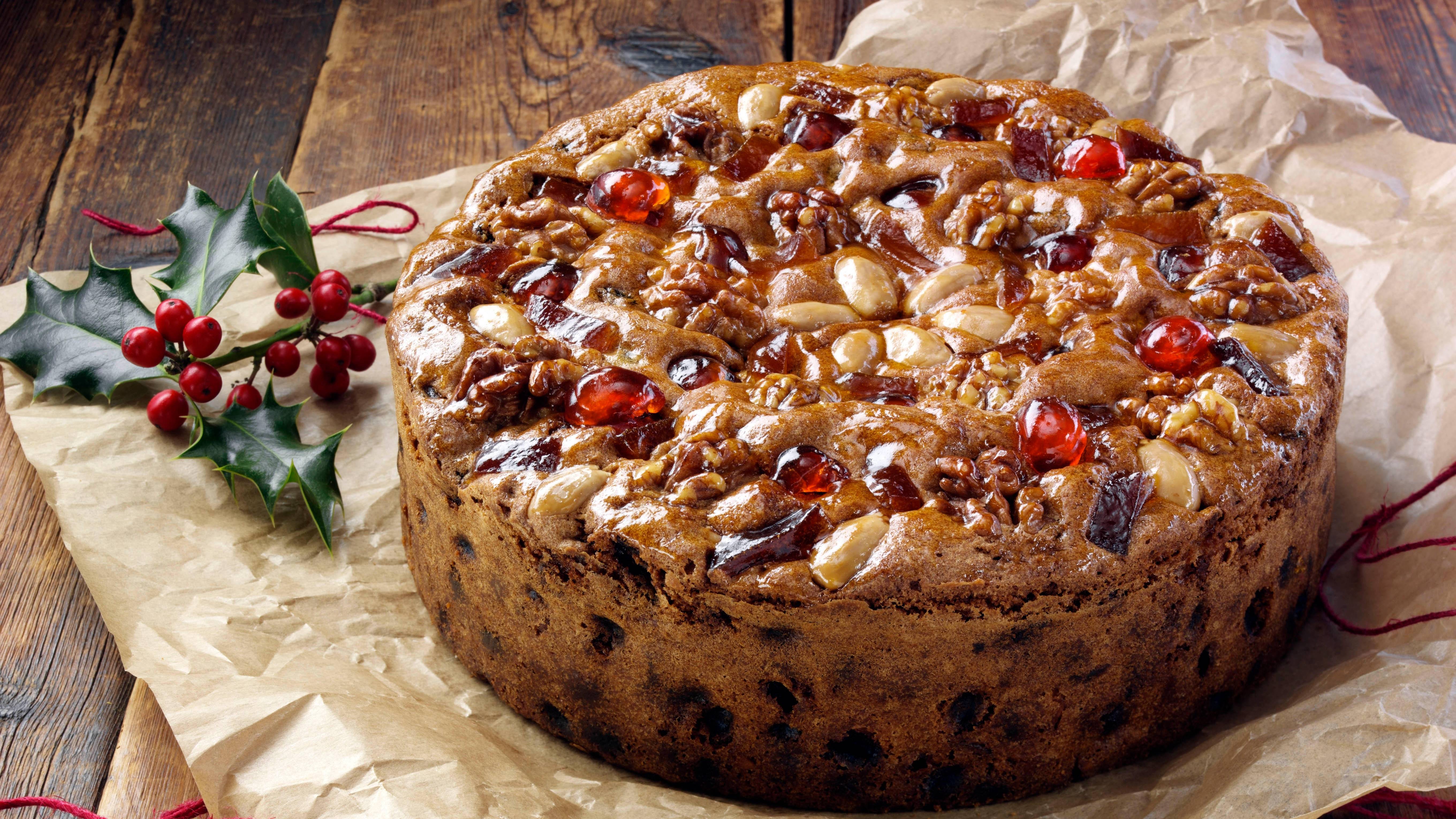
In England, the Christmas Fruit Cake developed alongside the tradition of plum porridge, a spiced dish made with dried fruits (historically referred to as “plums”), wine, and grains. As baking techniques improved, this porridge gradually transformed into a baked cake. By the Victorian era, fruit cake had become a symbol of tradition and refinement, often soaked in alcohol such as brandy or rum to preserve it and deepen its flavour. This practice also allowed cakes to be made weeks—or even months—in advance, enhancing both taste and longevity.
Also known as Mary Berry's Christmas Fruit Cake today in the UK.

Europe: 18th-19th Centuries Period
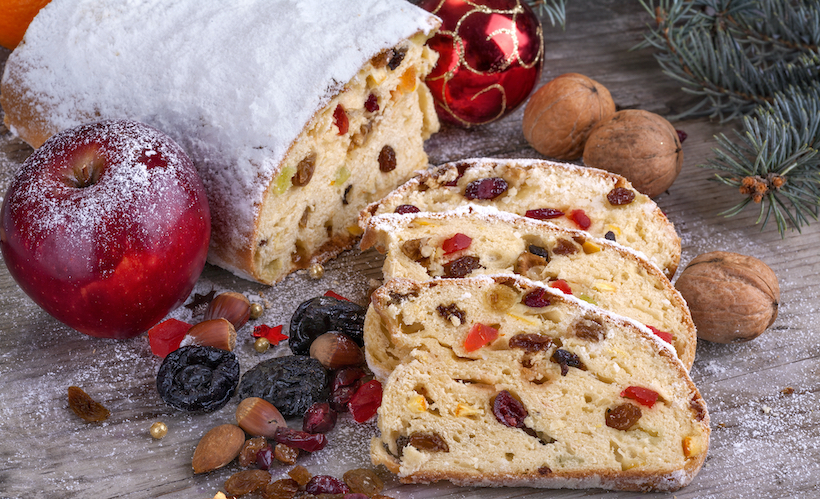
The association between fruit cake and gifting grew stronger during the 18th and 19th centuries. Dense, long-lasting, and rich with costly ingredients, the Christmas Fruit Cake became an ideal present to express goodwill and generosity. In some European traditions, cakes were decorated with marzipan and icing, while others kept them simple and dark, emphasising the depth of dried fruits and spices. Each region developed its own variation, shaped by local ingredients, climate, and cultural preferences.


Showing 1–4 of 6 results
-
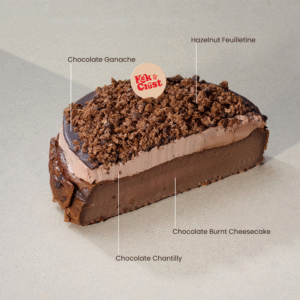
Chocolate Burnt Cheesecake
Price range: RM99.90 through RM148.80 -
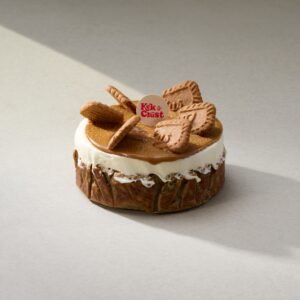
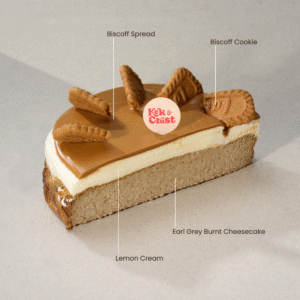
Earl Grey Burnt Cheesecake
Price range: RM99.90 through RM148.80 -
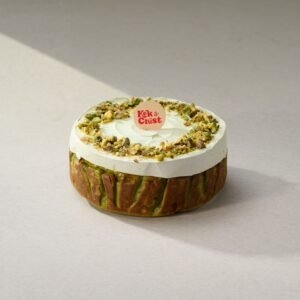
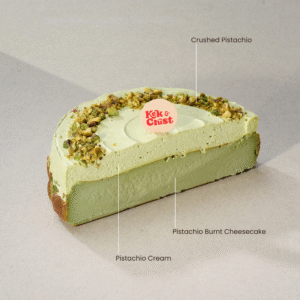
Pistachio Burnt Cheesecake
Price range: RM125.90 through RM188.80 -
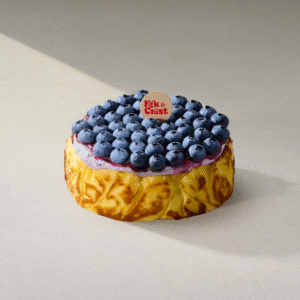
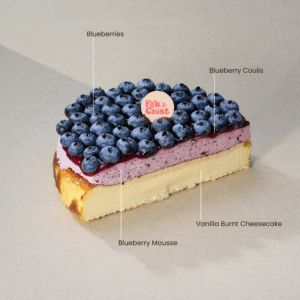
Signature Blueberry Burnt Cheesecake
Price range: RM99.90 through RM148.80
Showing all 5 results
-
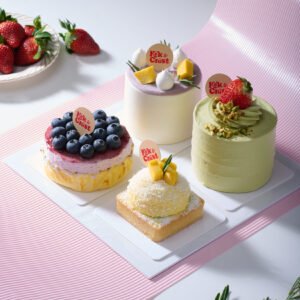
4-in-1 Petite Mix Cake Box
Original price was: RM75.60.RM71.82Current price is: RM71.82. -
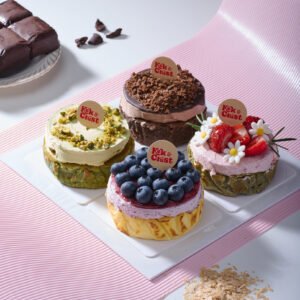
4-in-1 Petite Burnt Cheesecake Box
Original price was: RM139.60.RM132.62Current price is: RM132.62. -
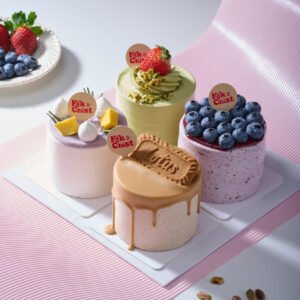
4-in-1 Petite Chiffoncake Box
Original price was: RM91.60.RM87.02Current price is: RM87.02. -
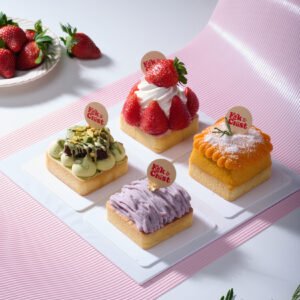
4-in-1 Petite Tart Box
Original price was: RM75.60.RM71.82Current price is: RM71.82. -

Wholesale Mix Match Petite Cake
From: Original price was: RM189.00.RM170.10Current price is: RM170.10.