Gingerbread Biscuits

Overview

Gingerbread biscuits is a beloved Christmas tradition featuring spiced cookies, iconic gingerbread men, and elaborate houses, stemming from German origins popularized by the Grimm’s fairy tale, becoming a festive staple linked to holiday treats, decorations, and storytelling, with traditions like “pepper cake” in England and perník in Czechia showing its global festive spread.

It is yet another classic christmas dessert tradition aside from christmas fruit cake, or christmas stollen or christmas pudding which is popular and shared across the world as few of the iconic representation of family togetherness.

Origins of Gingerbread biscuits

Spice Trade from The East to Europe
Medieval Germany
England: 11th Century Period

The history of gingerbread biscuits dates back over a millennium and is closely linked to the arrival of ginger in Europe through the spice trade.

Ginger was introduced from Asia via Middle Eastern traders around the 11th century and was initially valued for its medicinal and preservative qualities. Early gingerbread was not a biscuit but a dense mixture of breadcrumbs, honey, and ginger, often pressed into moulds and served at religious festivals and fairs.
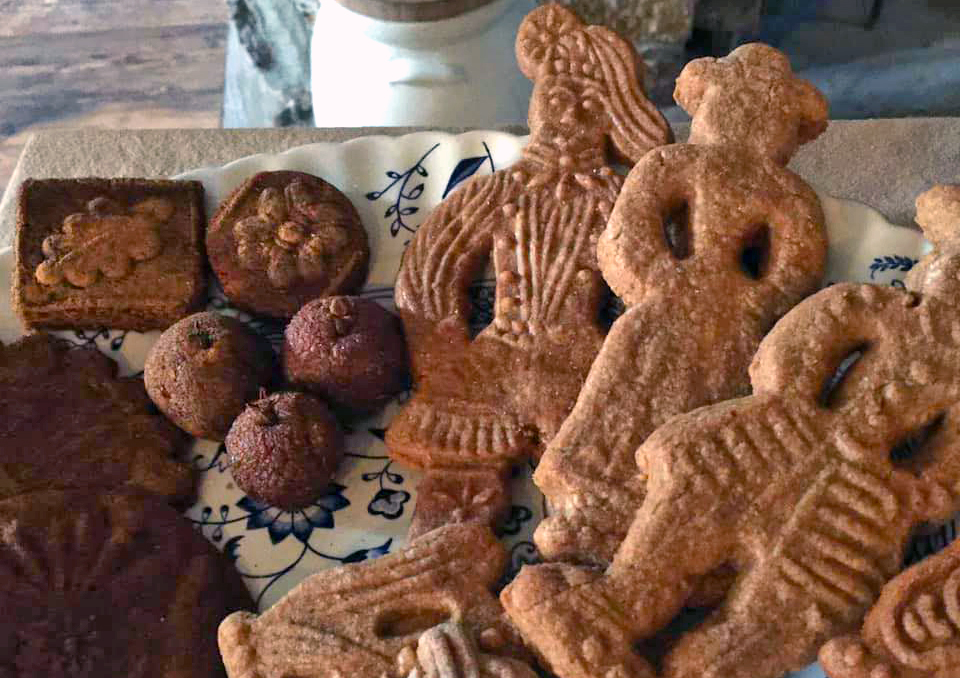
Gingerbread biscuits in noble man
England: 17th Century / Victorian Period

By the Middle Ages, gingerbread had become popular across England, France, and Germany. In England, gingerbread gained royal attention during the reign of Queen Elizabeth I, who is credited with ordering gingerbread figures shaped like visiting nobles and dignitaries. As refined flour and baking methods improved, these spiced confections evolved into firmer, baked forms—marking the emergence of gingerbread biscuits as we recognise them today.

Across Europe, gingerbread developed strong regional identities. Germany became known for Lebkuchen, France for pain d’épices, and England for crisp, spiced gingerbread biscuits. Their warming spices, long shelf life, and suitability for decoration made them ideal for winter celebrations. By the 19th century, gingerbread biscuits were firmly associated with Christmas and spread globally through European migration and colonial influence.

French Gingerbread biscuits (pain d’épices)
German Gingerbread biscuits (Lebkuchen)

Ingredients, Characteristics and Tradition

How Gingerbread biscuits became iconic

Ingredients of Gingerbread Biscuits

Gingerbread biscuits are defined by their bold spice profile and structured texture.


1. Flour (Wheat Flour – European Biscuit Grade)
  • Role in gingerbread biscuits

    • Flour provides structure, allowing the dough to be rolled thin and hold detailed shapes without spreading.

    • Traditional European gingerbread uses medium-protein wheat flour, producing a firm yet tender bite.

  • Traditional context & brands

  • Regional variation

    • German Lebkuchen may reduce flour content and rely more on nuts, while British gingerbread biscuits remain flour-forward.


2. Butter (Unsalted European-Style Butter)
  • Role in gingerbread biscuits

    • Butter adds richness, aroma, and contributes to the biscuit’s snap or chew depending on baking time.

    • European butter, with higher butterfat, enhances flavour without overpowering spices.

  • Traditional brands & heritage

  • Cultural distinction

    • Butter-based gingerbread biscuits differ from oil-based spiced cookies found in parts of Southern Europe.


3. Brown Sugar & Molasses (Treacle)
  • Role in gingerbread biscuits

    • Brown sugar and molasses are essential for colour, moisture retention, and the signature bittersweet depth.

    • Molasses gives gingerbread its dark hue and characteristic chew.

  • Iconic traditional brands

  • Why it matters

    • Unlike white sugar, molasses enhances shelf life, making gingerbread biscuits suitable for long winter storage and gifting.


4. Ground Ginger (The Defining Spice)
  • Role in gingerbread biscuits

    • Ginger provides warmth, mild heat, and digestive properties historically valued in winter baking.

  • Traditional sourcing & brands

  • Regional emphasis

    • British gingerbread biscuits are ginger-forward, while German versions balance ginger with citrus peel and nuts.


5. Cinnamon
  • Role in gingerbread biscuits

    • Cinnamon adds sweetness and warmth, softening ginger’s sharpness.

  • Traditional varieties

    • Ceylon cinnamon is milder and historically preferred in European baking.

    • Cassia cinnamon offers stronger heat and is commonly used in commercial baking.

  • Reference brands


6. Cloves
  • Role in gingerbread biscuits

    • Cloves contribute depth and intensity, used sparingly due to their strength.

  • Cultural importance

    • Cloves were among the most expensive spices in medieval Europe, symbolising wealth and celebration.

  • Brand references


7. Nutmeg
  • Role in gingerbread biscuits

    • Nutmeg adds warmth and roundness, complementing ginger and cinnamon.

  • Traditional use

    • Freshly grated nutmeg was historically favoured in European households.

  • Reference brands


Assorted Gingerbread biscuits
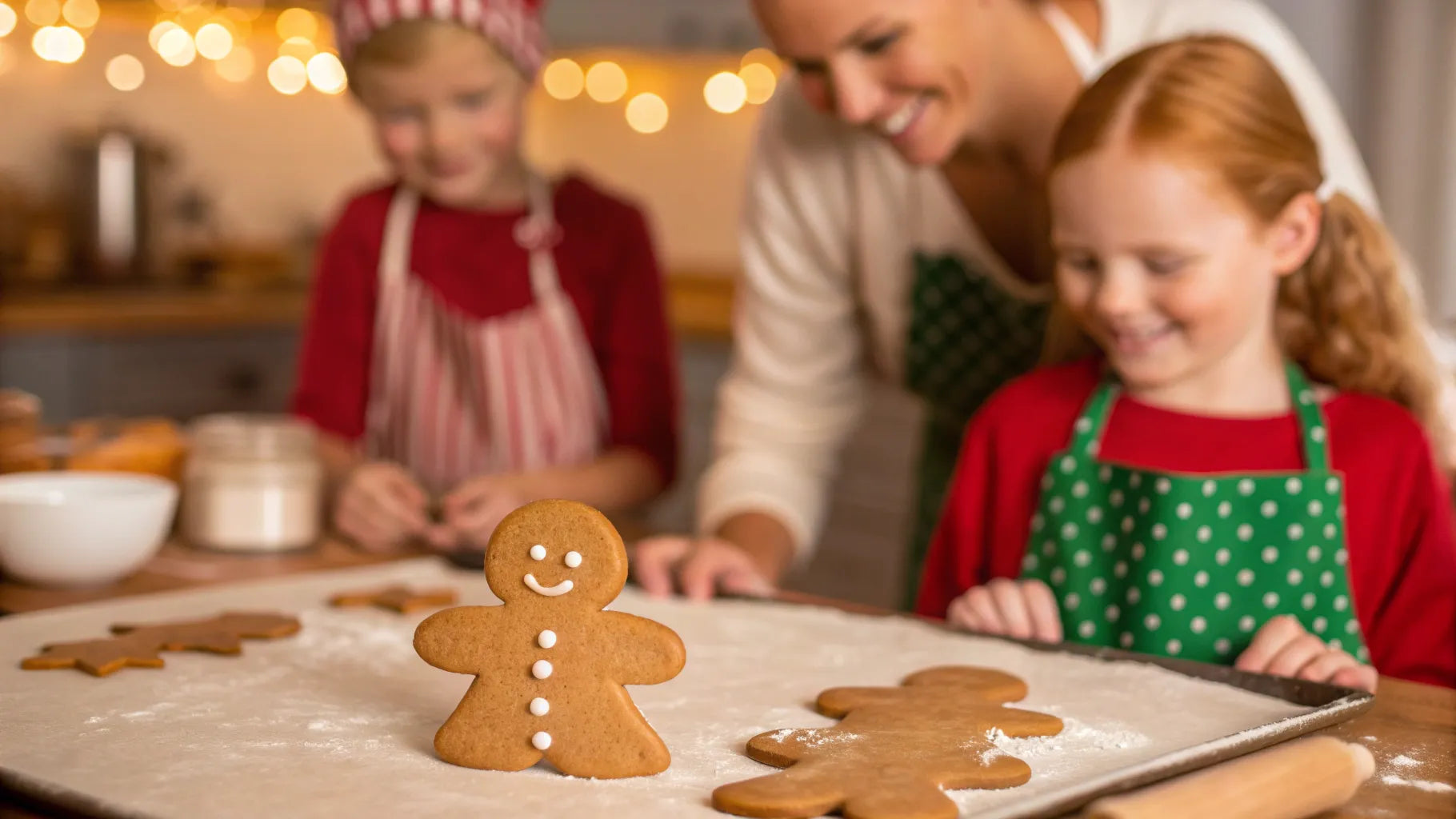
Kids-friendly activity making Gingerbread man

Preparation Traditions of Gingerbread

Preparation traditions contribute significantly to their cultural appeal.

The dough is usually chilled before rolling to firm it and allow the spices to mature. Biscuits are cut into festive shapesfigures, stars, hearts, or animals—using cutters or traditional wooden moulds.

In countries such as Germany and Scandinavia, elaborately carved moulds were historically used, turning gingerbread baking into an art form as much as a culinary one.


Reference: https://www.germany.travel/en/food-drink/lebkuchen.html

Folklore of Gingerbread

Christmas traditions surrounding gingerbread biscuits are deeply rooted in European folklore.


The tradition of gingerbread houses, inspired by the Brothers Grimm tale Hansel and Gretel, emerged in 19th-century Germany and quickly spread across Europe and North America.


Families gather during Advent to bake and decorate biscuits using icing, nuts, and sweets—an activity symbolising togetherness, creativity, and anticipation of Christmas.


Reference: https://www.history.com/news/gingerbread-houses-history

2026 Christmas Celebration Cakes & Desserts

Seasonal Specials

  • Strawberry Matcha Burnt Cheesecake

    Strawberry Matcha Burnt Cheesecake

    Price range: RM99.90 through RM148.80

    - +
  • Yam Mochi Burnt Cheesecake

    Yam Mochi Burnt Cheesecake

    Price range: RM99.90 through RM148.80
    - +
Shopping Cart